

Reclaiming Confidence: Beauty Tips for Survivors of Trauma
Survivors of trauma often face challenges in rebuilding their confidence and self-esteem. However, embracing beauty and self-care can be empowering steps towards healing and reclaiming a sense of self-worth. Seeking professional support can also play a crucial role in this journey. In this article, we’ll explore beauty tips and self-care practices specifically tailored for survivors of trauma, fostering self-confidence and inner strength in a friendly and informative tone.
Start With Self-Compassion

The journey to reclaiming confidence begins with self-compassion. Be gentle with yourself and acknowledge the strength it takes to heal from trauma. Practice positive affirmations and focus on inner beauty and resilience.
Start a Skincare Routine
Create a skincare routine that nurtures and revitalizes your skin. Use gentle cleansers, hydrating moisturizers, and soothing face masks to pamper yourself and promote a healthy glow. Taking care of your skin can boost confidence and promote a sense of well-being.
Embrace Minimalist Makeup
Experiment with minimalist makeup looks that enhance your natural features. Opt for light coverage foundations or tinted moisturizers, natural-looking brow products, and subtle eyeshadows and lip colors. Embracing simplicity in makeup can highlight your beauty without feeling overwhelmed.
Focus on Healthy Nutrition
Fuel your body with nutritious foods that support overall well-being. Incorporate fruits, vegetables, lean proteins, and hydrating beverages into your diet. Nourishing your body from the inside can contribute to radiant skin, energy levels, and mood stability.
Practice Mindful Movement
Engage in physical activities that promote relaxation and mindfulness, such as yoga, tai chi, or gentle stretching exercises. Movement not only benefits physical health but also boosts mental clarity, reduces stress, and enhances body positivity.
Express Your Style

Explore fashion choices that reflect your personality and make you feel comfortable and confident. Experiment with colors, textures, and styles that resonate with you and express your unique identity. Dressing in a way that makes you feel good can boost self-confidence and empower self-expression.
Seek Professional Support
Consider seeking support from beauty professionals, PTSD treatment Sydney therapists, or support groups specialized in trauma recovery. Beauty professionals can provide tailored advice, treatments, and techniques to enhance your self-image and confidence. Therapy and support groups offer emotional support, coping strategies, and a sense of community.
Practice Relaxation Techniques
Incorporate relaxation techniques such as meditation, deep breathing exercises, or mindfulness practices into your daily routine. These techniques can help reduce stress, anxiety, and negative thoughts, promoting emotional well-being and confidence.
Celebrate Progress and Small Victories
Acknowledge and celebrate your progress and small victories on your journey of healing and self-discovery. Whether it’s trying a new skincare product, experimenting with a new hairstyle, or stepping out of your comfort zone, every positive step contributes to reclaiming confidence and inner strength.
Reclaiming confidence after trauma is a journey of self-discovery, self-care, and self-compassion. By embracing beauty tips, self-care practices, and supportive networks, survivors of trauma can cultivate inner strength, resilience, and a positive self-image. Remember that healing is a process, and every step towards self-care and self-empowerment contributes to reclaiming confidence and embracing your unique beauty.…
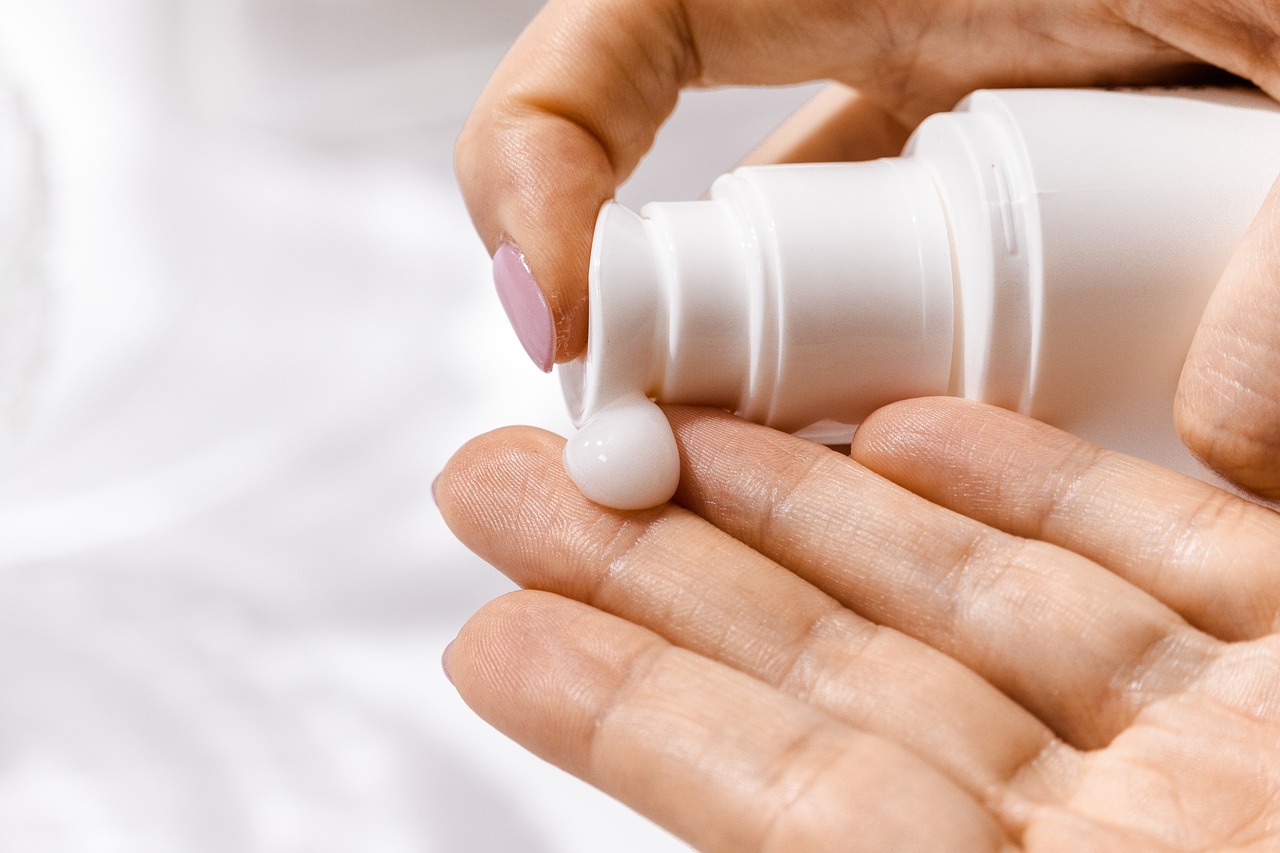
 If you have sensitive skin, the ingredients of your sunscreens can’t be overlooked. In this case, mineral-based options are often a safe bet. These sunscreens contain active ingredients, including zinc oxide and titanium dioxide. They basically work by sitting on top of the skin and reflecting harmful UV rays away. Mineral sunscreens also provide a physical barrier that protects your skin without penetrating the deeper layers. This can help minimize the risk of allergic reactions or irritation.